
Candles Through the Ages
Just as the role of candles has changed over time, so have the materials used to make them. Early candles and candle-like lights were made from materials that were locally available, such as animal fats, plant fibres and natural waxes. Different cultures developed their own methods: in parts of Asia, waxes derived from plants, nuts and even insects were used. In India, aromatic plant materials were also incorporated into candle-making, introducing fragrance alongside light.
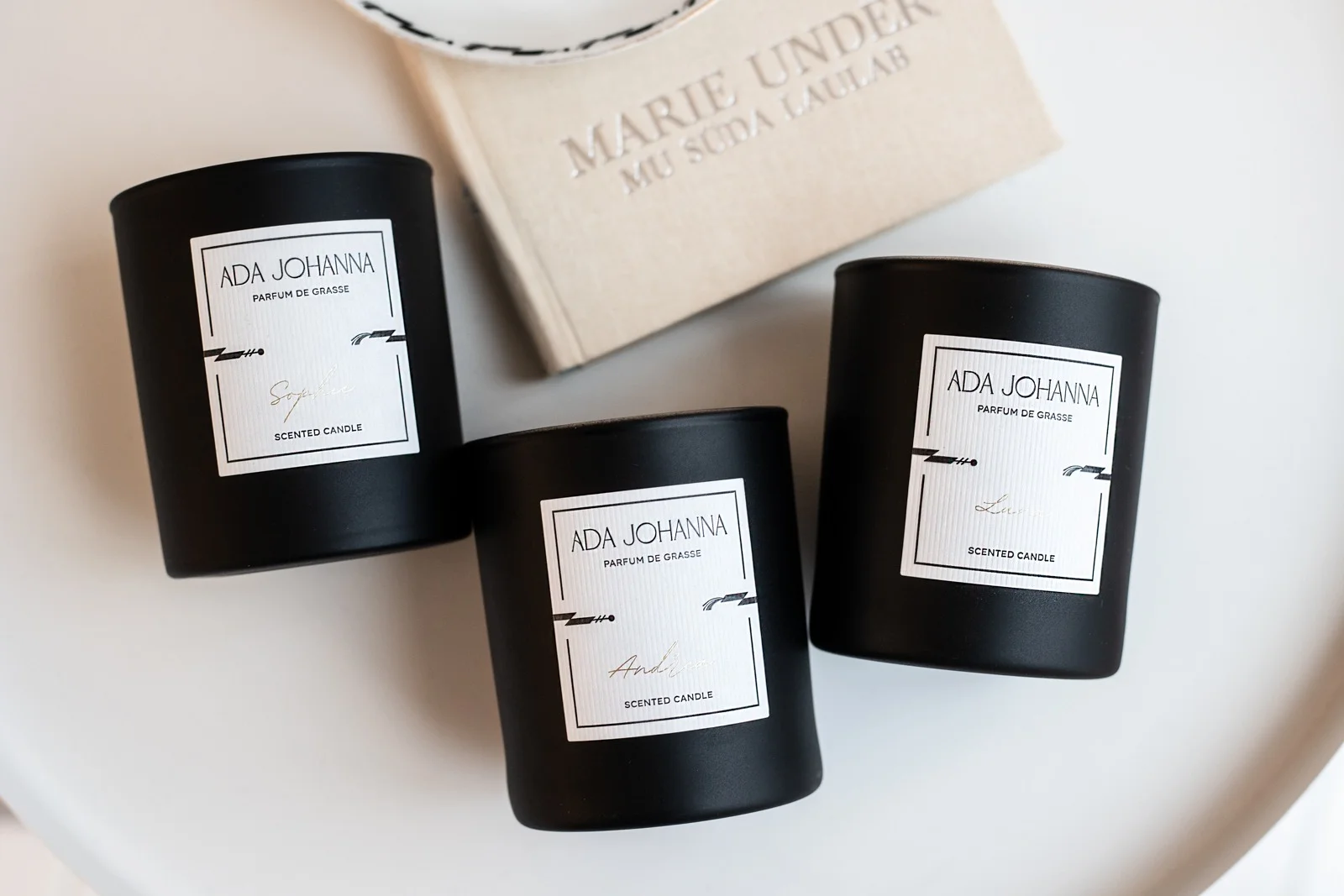
Today, candles are made from a wide range of waxes, including soy wax, paraffin, beeswax and various plant-based or synthetic waxes. Paraffin remains one of the most widely used candle waxes because it is inexpensive and readily available. At the same time, growing interest in renewable and plant-based materials has increased the popularity of alternatives such as soy and coconut wax, which are used in Ada Johanna candles.
With the widespread adoption of electric lighting, candles were no longer essential as an everyday source of light. Their role gradually shifted towards creating atmosphere, marking special occasions and adding warmth to interiors. Today, candles can be found in homes, cafés, restaurants, spas, churches and workplaces around the world.